How Do Astronomers Find Planets in Other Solar Systems?
How Do Astronomers Find Planets in Other Solar Systems?
Astronomers use various methods to detect planets in other solar systems, also known as exoplanets. One common…
How Do Astronomers Find Planets in Other Solar Systems?
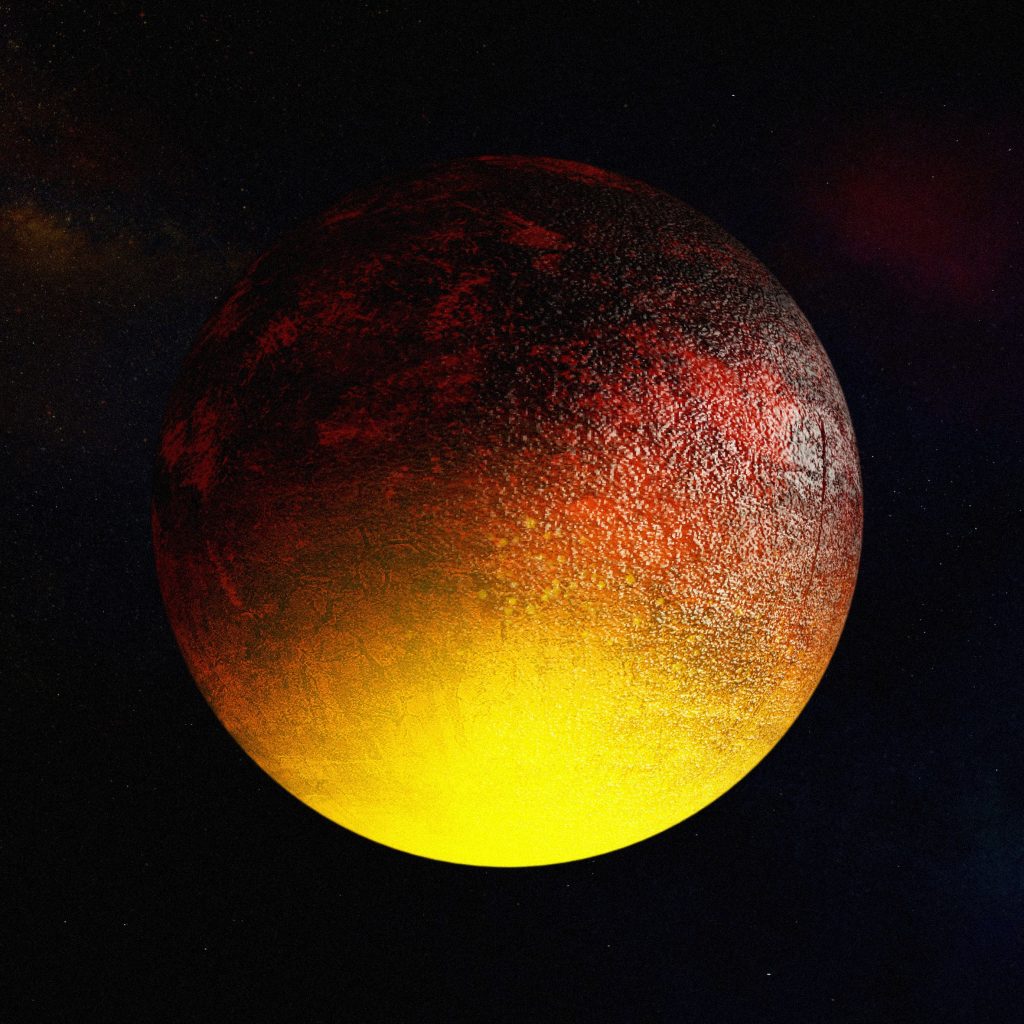
Astronomers use various methods to detect planets in other solar systems, also known as exoplanets. One common method is the transit method, which involves observing the slight dimming of a star’s light as a planet passes in front of it. This allows astronomers to infer the presence of a planet and estimate its size.
Another method is the radial velocity method, which involves monitoring the Doppler shift in a star’s spectrum caused by the gravitational pull of an orbiting planet. This can reveal the planet’s mass and orbit.
Astrometry is another technique where astronomers track the wobbling motion of a star, caused by the gravitational influence of an orbiting planet. This method can provide information about the planet’s mass and orbit.
Direct imaging is a more challenging method that involves taking actual pictures of exoplanets using advanced telescopes. This method is most effective for detecting larger planets that are farther away from their host star.
Other methods include microlensing, where the gravitational lensing effect of a planet on background stars is observed, and the timing method, where variations in a star’s brightness are monitored to detect planets.
These techniques have led to the discovery of thousands of exoplanets in other solar systems, expanding our understanding of the diversity and prevalence of planetary systems in the universe.
As technology advances, astronomers continue to improve their methods for finding planets in other solar systems, with the ultimate goal of discovering Earth-like exoplanets that may harbor life.