The Doomsday Glacier Is Getting Closer and Closer to Irreversible Collapse
The Doomsday Glacier Is Getting Closer and Closer to Irreversible Collapse
The Thwaites Glacier, also known as the Doomsday Glacier, is one of the largest and most rapidly melting…
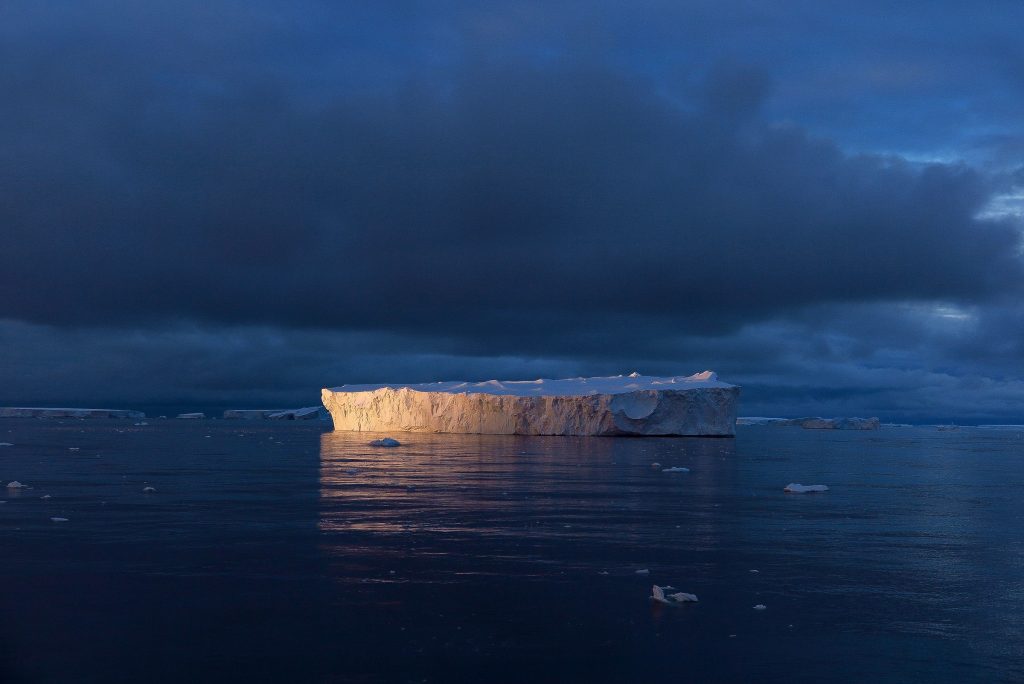
The Doomsday Glacier Is Getting Closer and Closer to Irreversible Collapse
The Thwaites Glacier, also known as the Doomsday Glacier, is one of the largest and most rapidly melting glaciers in Antarctica. Scientists have been monitoring its rapid retreat for years, and recent studies suggest that it is now on the brink of irreversible collapse.
The collapse of the Thwaites Glacier could have catastrophic consequences for global sea levels, as it has the potential to raise sea levels by several feet. This would lead to widespread flooding of coastal areas and displacement of millions of people worldwide.
The acceleration of the glacier’s melting is primarily driven by warm ocean waters that are eating away at its base, causing it to thin and destabilize. This feedback loop of melting and retreat is a cause for concern among scientists and policymakers alike.
Efforts are being made to better understand the dynamics of the Thwaites Glacier and its potential impact on sea level rise. International collaborations and research initiatives are underway to gather more data and develop models to predict its future behavior.
Despite these efforts, the window of opportunity to prevent the collapse of the Thwaites Glacier is narrowing. The urgency of the situation calls for immediate action to reduce carbon emissions and mitigate the effects of climate change.
The fate of the Thwaites Glacier serves as a stark reminder of the fragility of our planet’s ice sheets and the importance of taking decisive action to protect them. The time to act is now, before it’s too late.
It is crucial that we prioritize the preservation of the Antarctic ice sheets and address the root causes of climate change to prevent further loss of ice and rising sea levels. The future of our planet depends on it.
In conclusion, the Doomsday Glacier is inching closer and closer to irreversible collapse, posing a significant threat to global sea levels and coastal communities. It is up to us to take action and make a difference before it’s too late.